
Treatment & Services
Sports Medicine
Sports injuries can affect joints, ligaments, tendons and muscles, especially during high-impact activities, sudden movements or improper training. Early diagnosis and proper treatment are important to prevent long-term damage and ensure safe recovery.
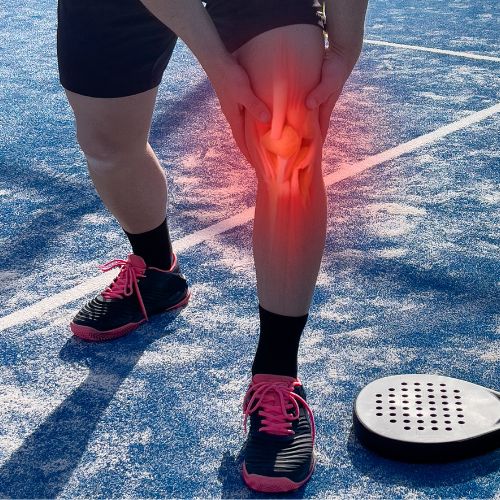
Common Shoulder Injuries
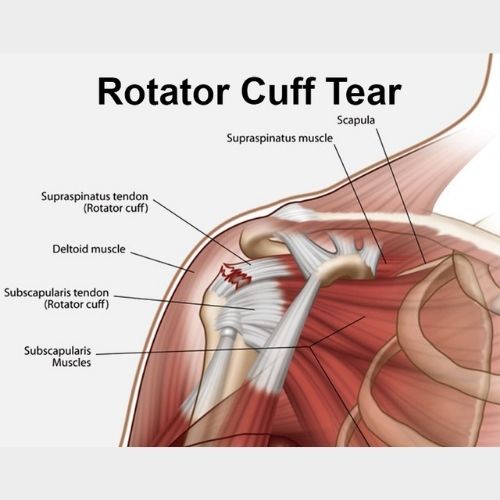
Rotator cuff tear
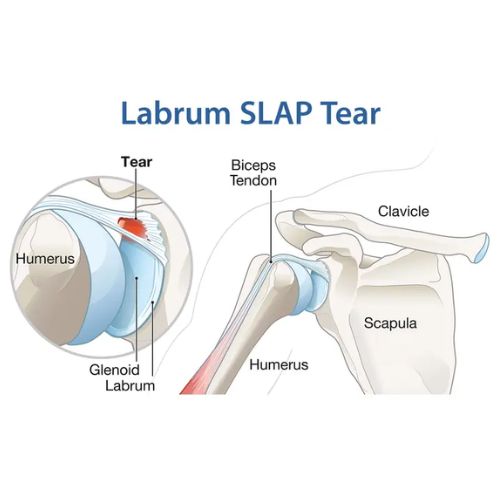
SLAP tear (Superior Labrum tear)
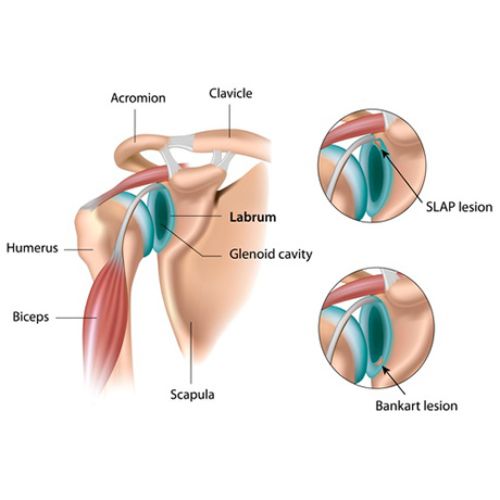
Bankart tear (shoulder instability injury)
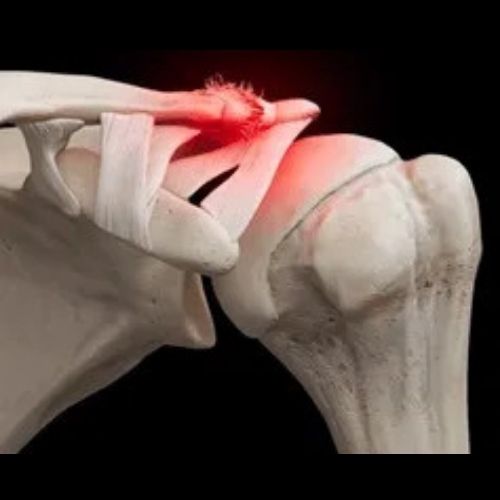
AC joint dislocation
Common Knee Injuries
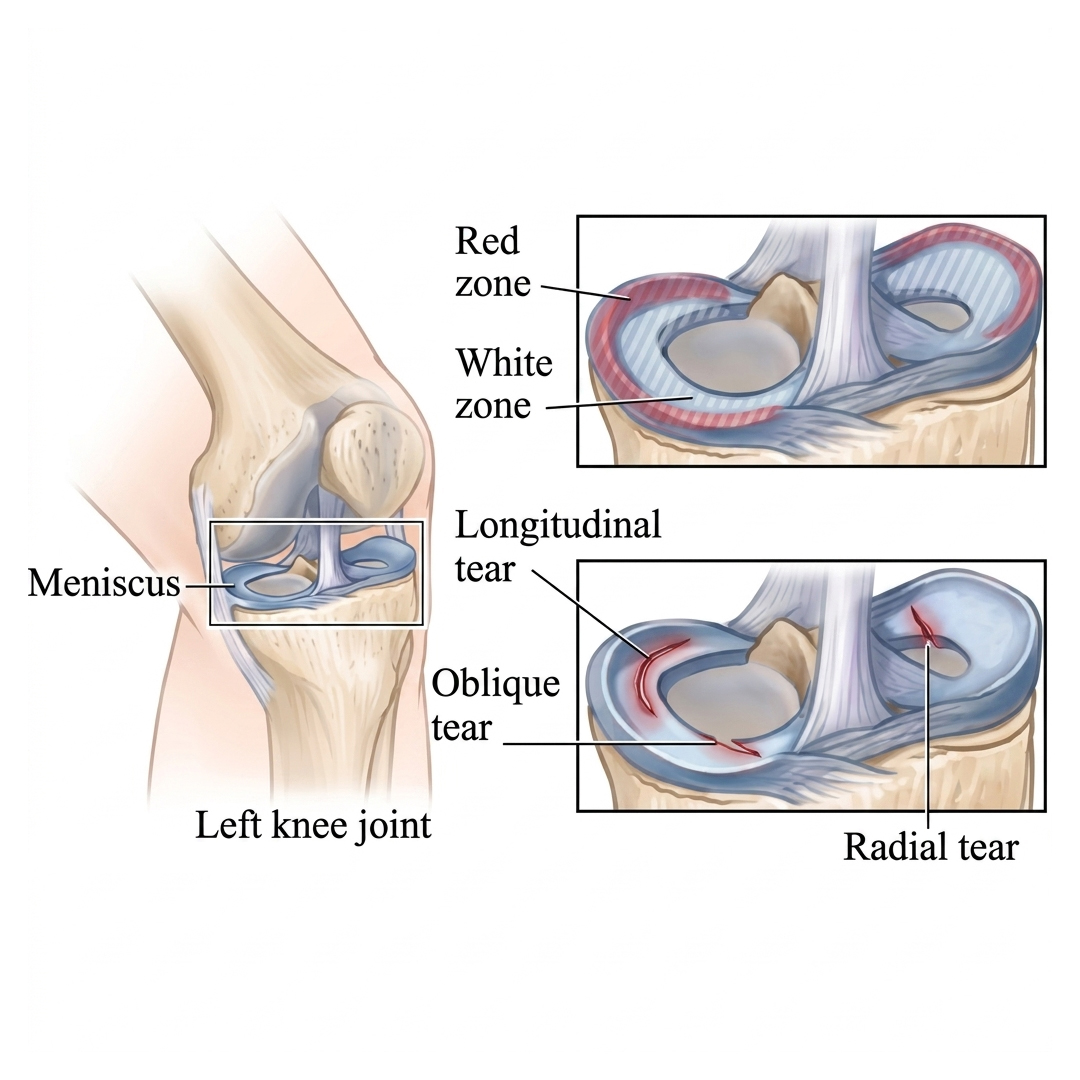
Meniscus tear
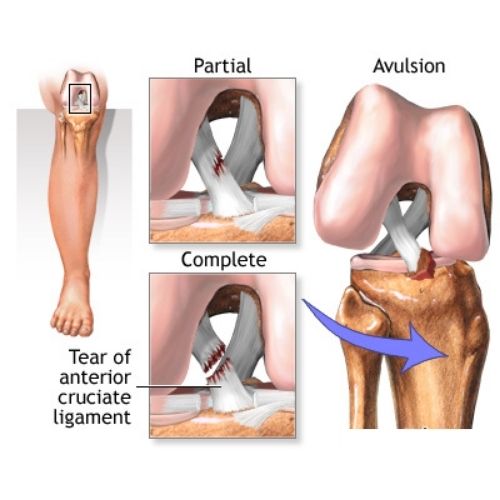
Ligament injuries: ACL, PCL, MCL, LCL tears
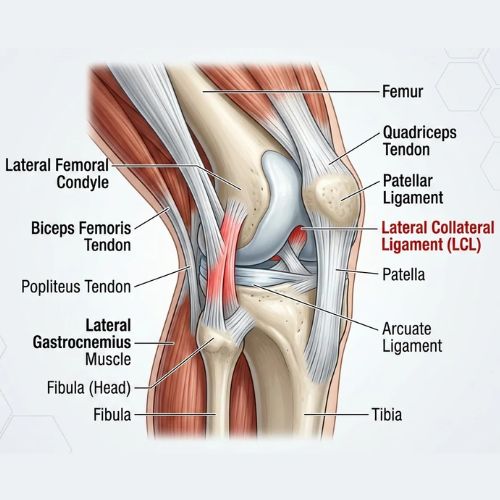
Lateral ligament tear
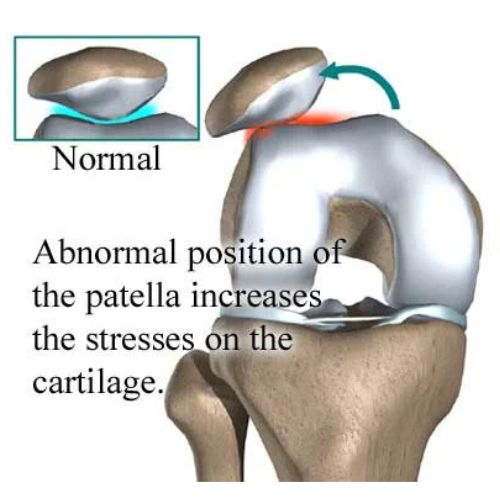
patella maltracking
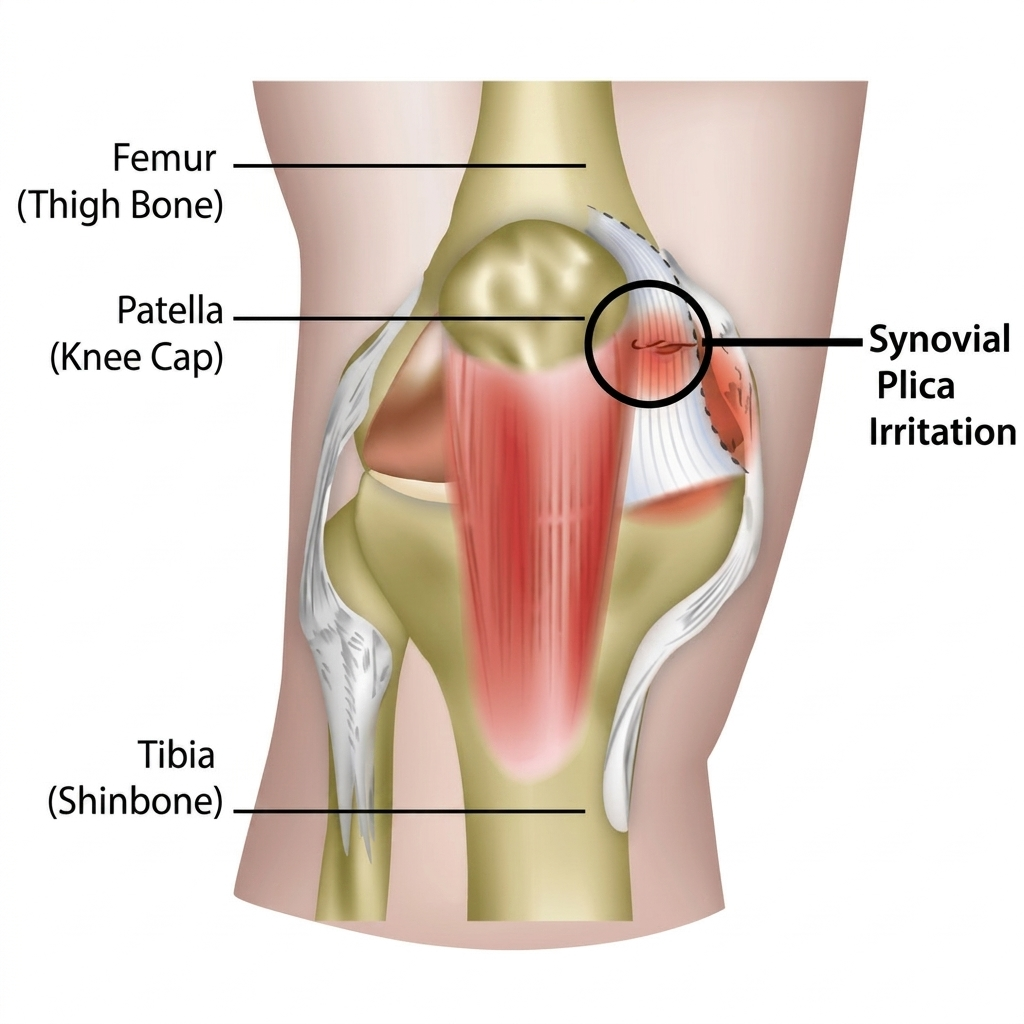
medial plica
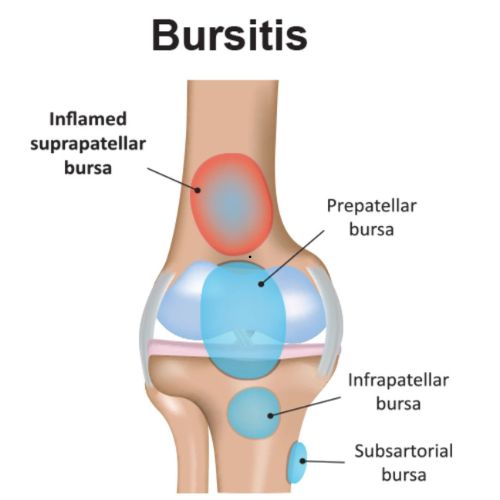
knee bursitis
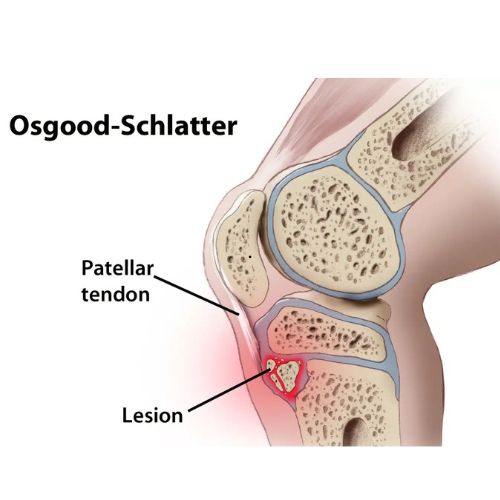
Osgood Schlatter disease
Common Ankle Injuries
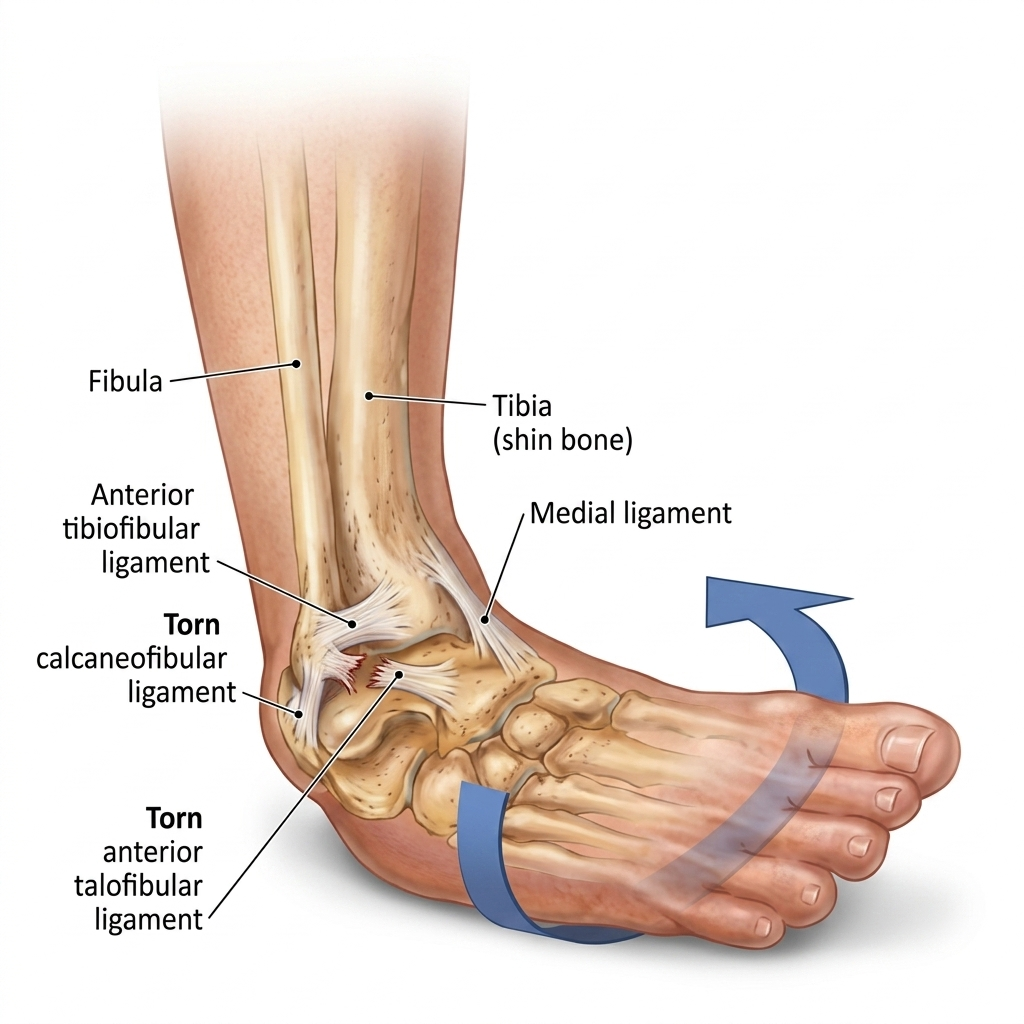
ATFL tear (Anterior Talofibular Ligament)
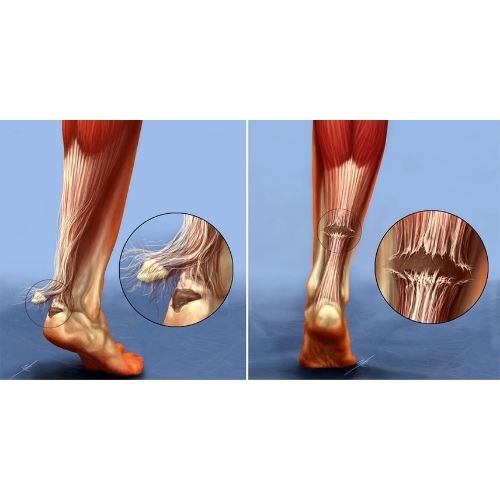
Achilles tendon tear
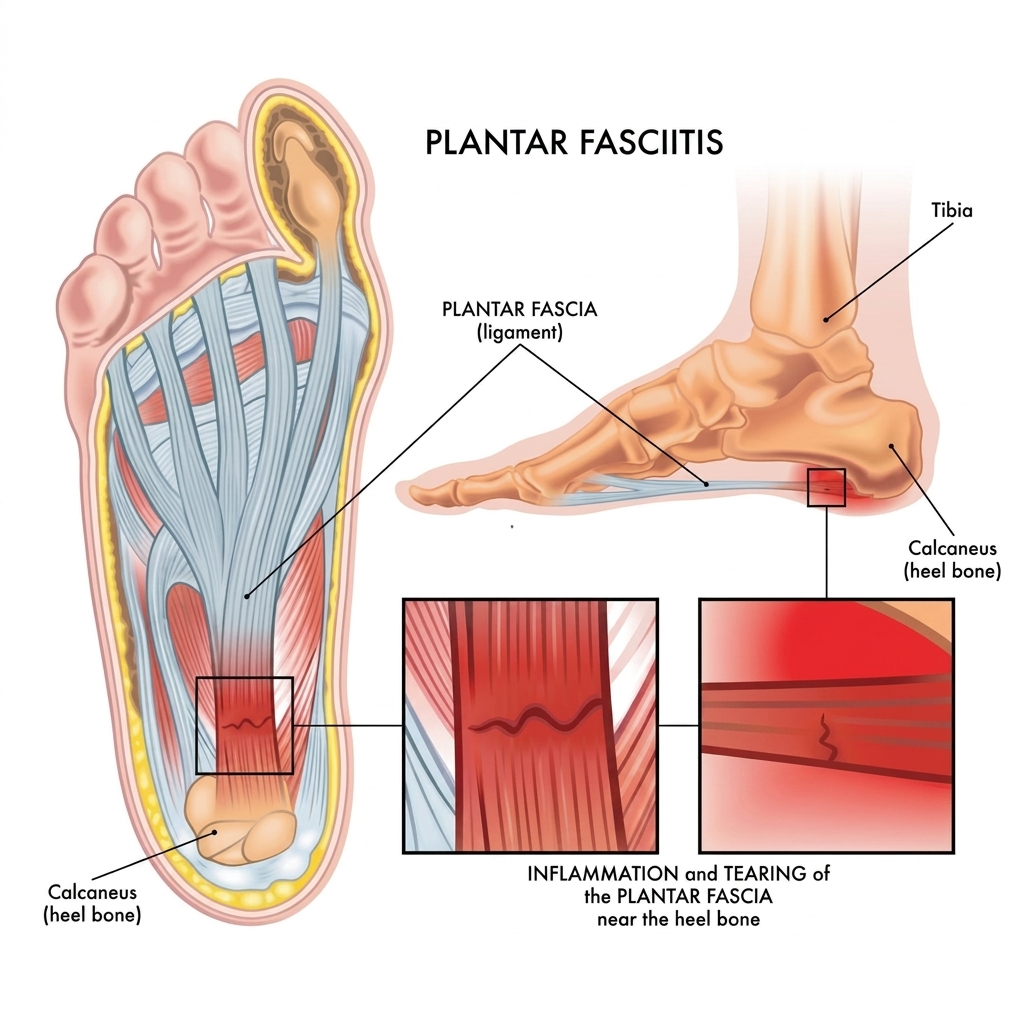
plantar fascitis
Common Symptoms
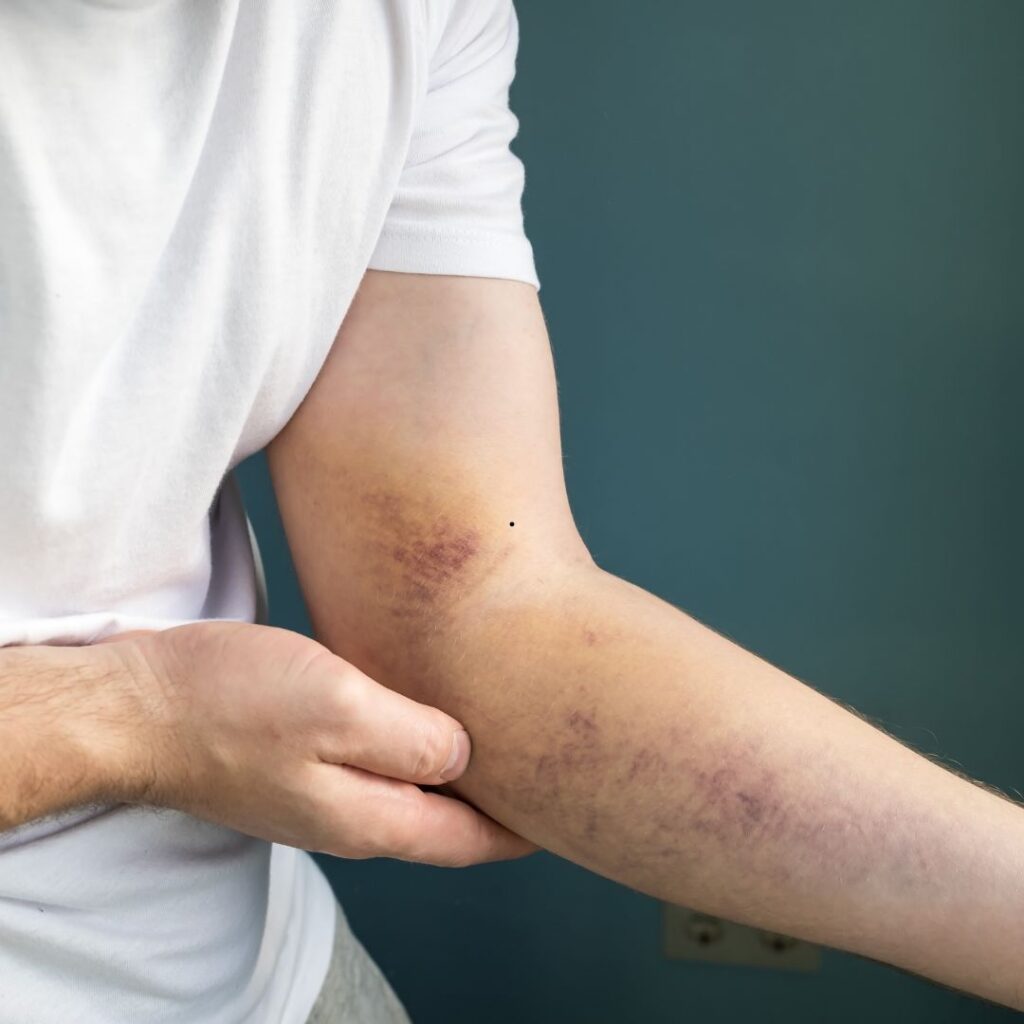
Pain, swelling and bruising
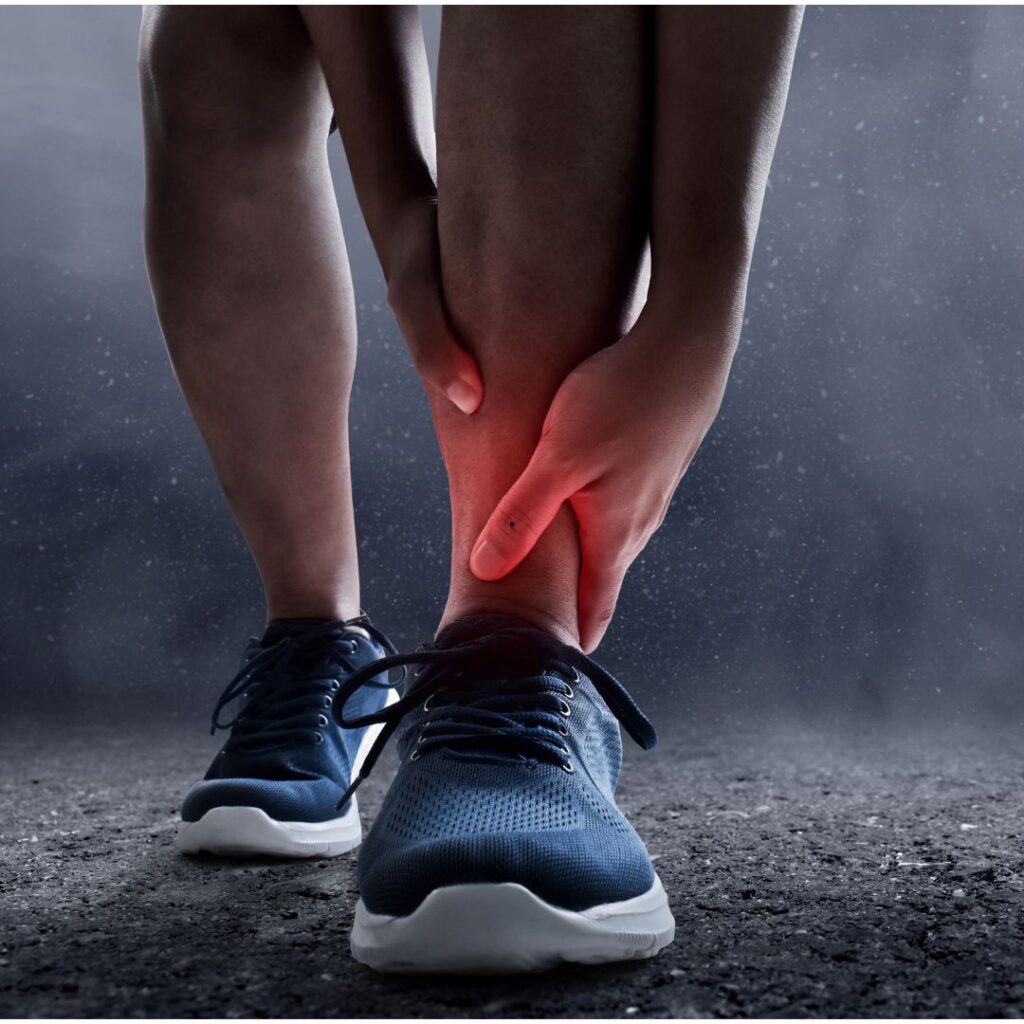
Strains or sprains
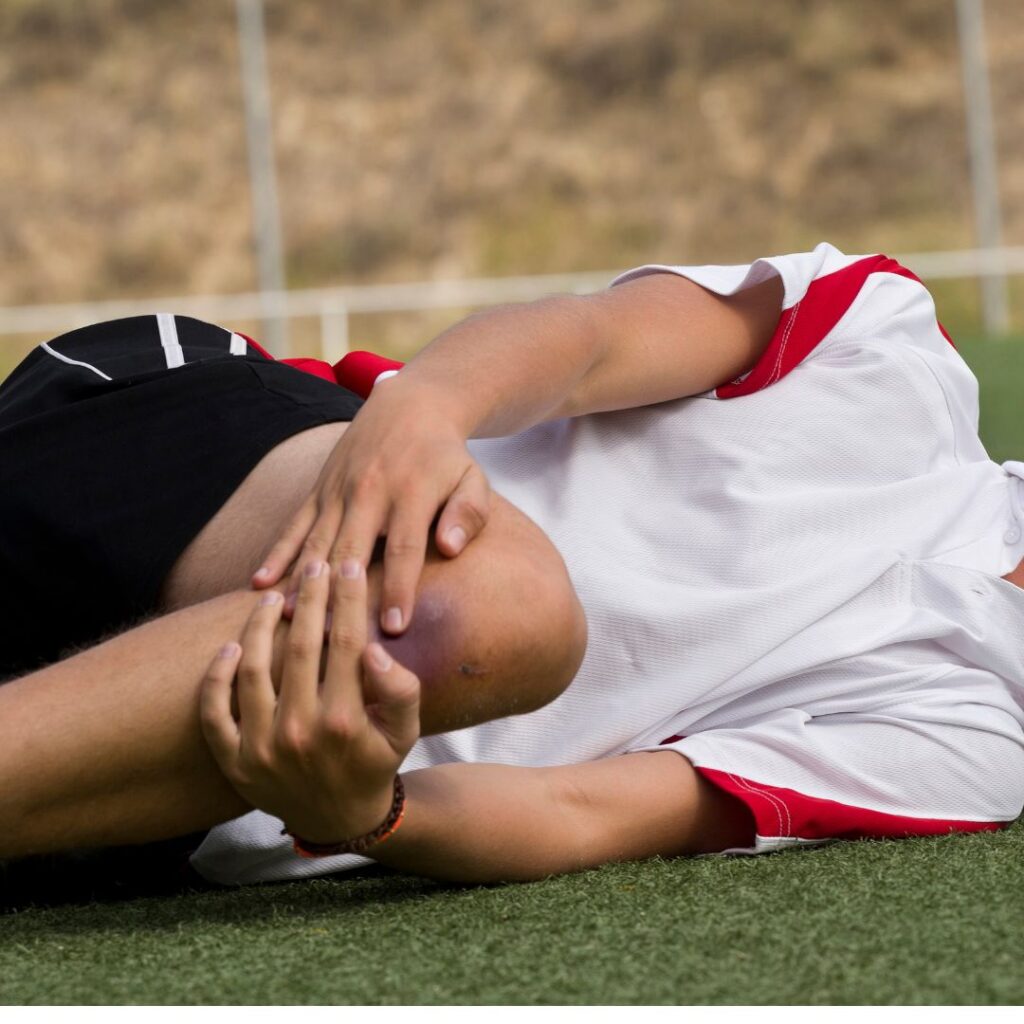
Joint instability or limited movement
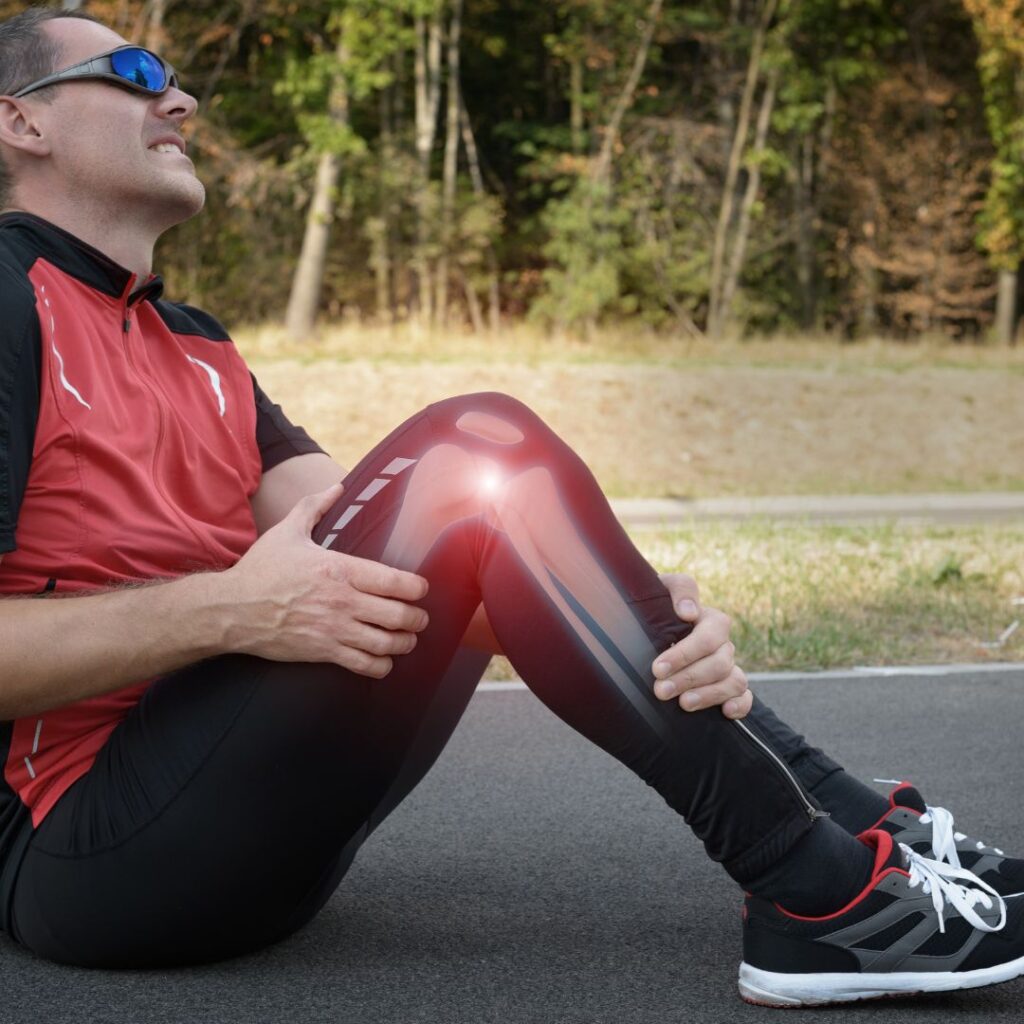
Avulsion fractures
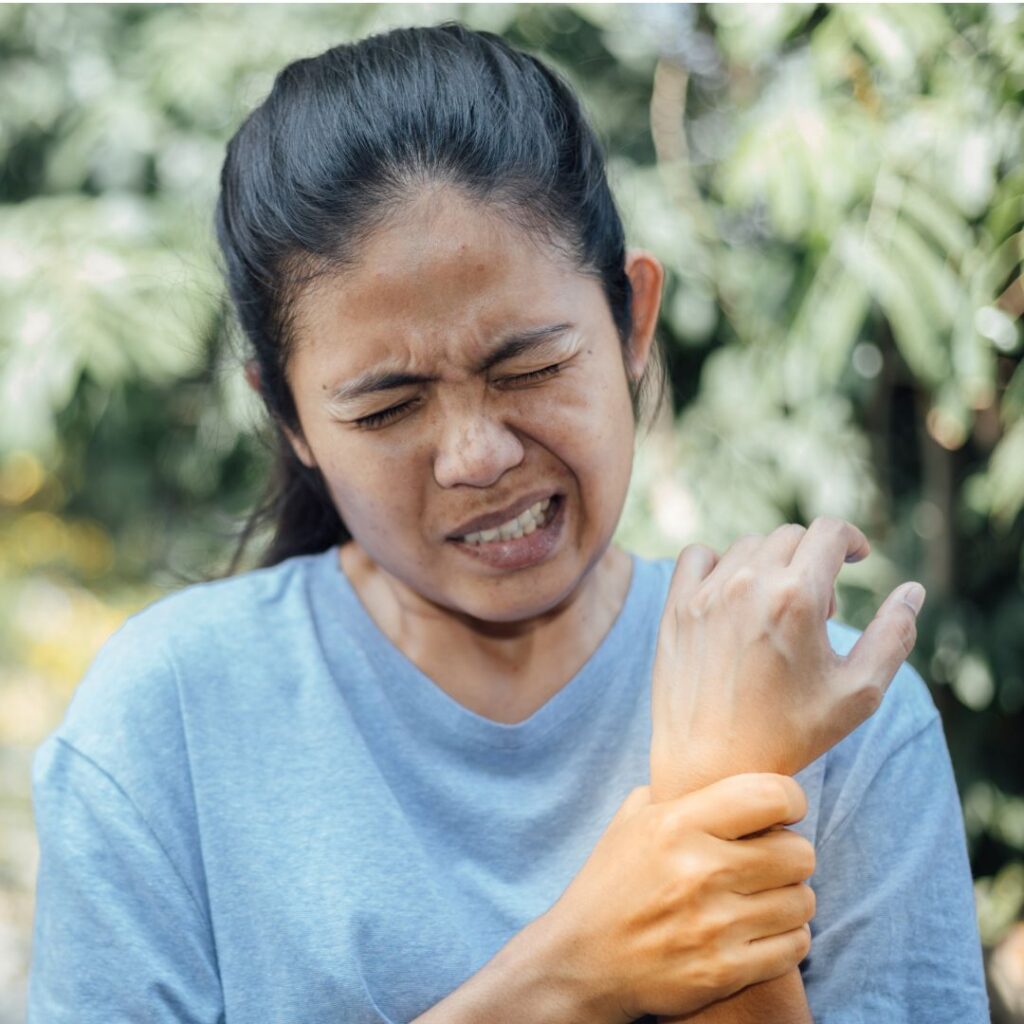
Overuse syndrome from repetitive stress
Common Causes
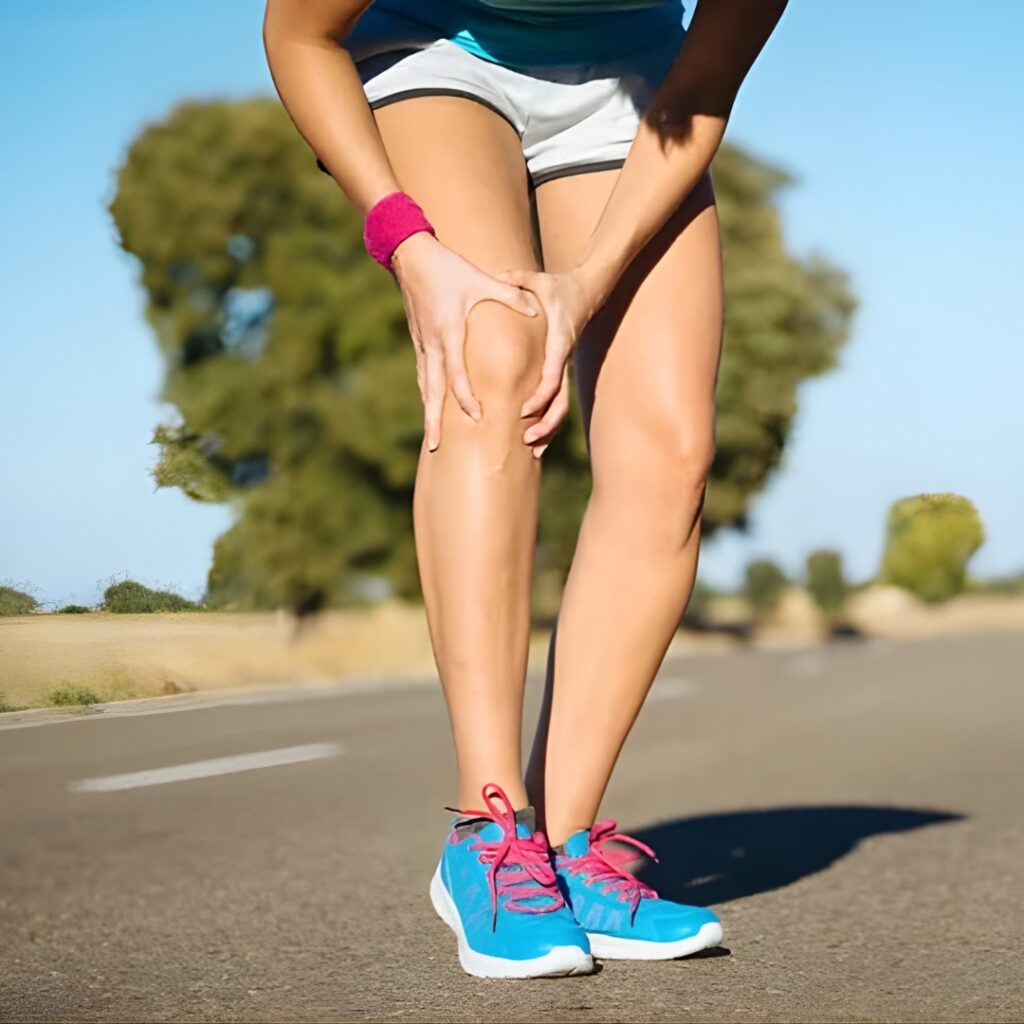
Sudden twisting or pivoting movements
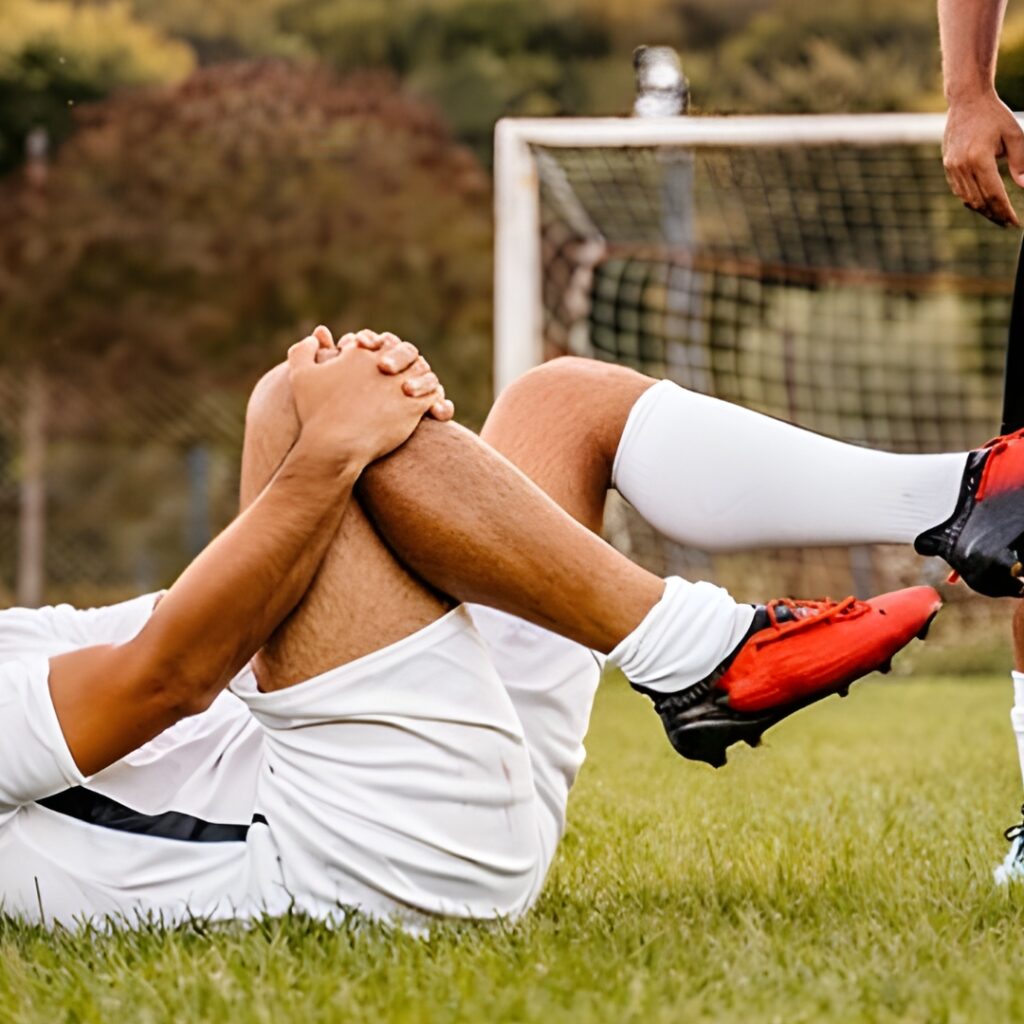
High-impact sports or falls
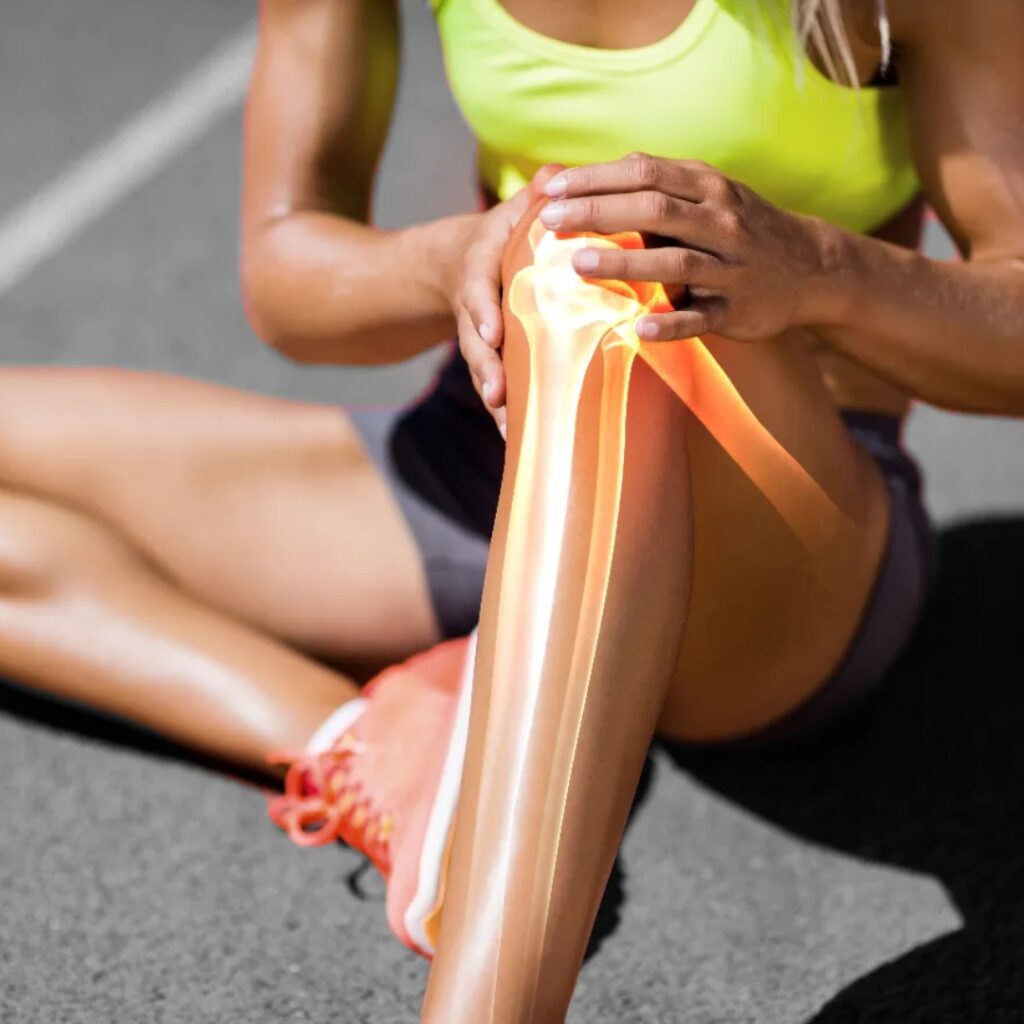
Poor technique or inadequate warm-up
Overtraining or repetitive strain
frequently asked question
Most sports injuries fall into two categories: acute (sudden, like a sprained ankle) or chronic (overuse, like tennis elbow). The most frequent include sprains, strains, knee injuries (ACL/Meniscus), swollen muscles and fractures.
Yes. A stress fracture is a tiny crack in the bone caused by repetitive stress (like long-distance running on hard surfaces) rather than a single impact. They are often invisible on X-rays for the first few weeks and require an MRI for early detection.
A sprain is a stretch or tear of a ligament (the tissue connecting two bones). A strain is a stretch or tear of a muscle or tendon (the tissue connecting muscle to bone).
Many injuries can heal with rest, physiotherapy, and rehabilitation, but severe ligament or tendon tears may require surgical treatment.
Seek immediate medical attention if you experience:
- An obvious deformity or "out of place" bone.
- Inability to bear weight on the limb.
- Severe swelling or discoloration.
- Extreme pain that doesn't improve with rest.
Generally, no. Sharp, stabbing, or localized pain is a signal from your body to stop. Ignoring it often turns a minor strain into a major tear that could require surgery.
- Warm up: Never stretch "cold" muscles; do 5–10 minutes of light cardio first.
- Correct Gear: Ensure your shoes are appropriate for the sport and not worn out.
- Technique: Use proper form; consider a coach or trainer if you are starting a new routine.
- Listen to your body: Don't increase intensity by more than 10% per week.
Surgery is usually reserved for complete ligament tears (like an ACL), non-healing fractures or chronic conditions that don't respond to physical therapy. A specialist will typically use an MRI or X-ray to determine the severity.