
Treatment & Services
BESS (Biportal Endoscopic Spine Surgery)
What is Biportal Endoscopic Spine Surgery (BESS)?
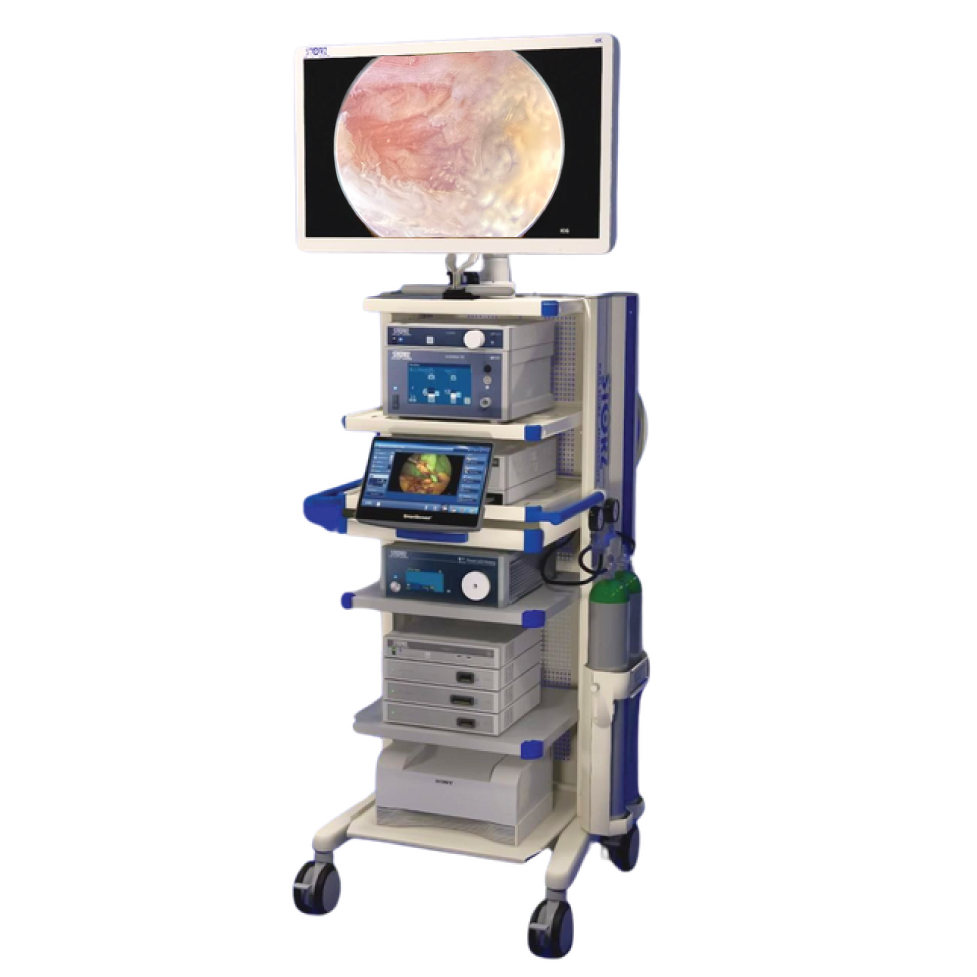
BESS is a minimally invasive spinal surgery technique using two small portals, one for the camera and one for surgical instruments. It allows surgeons to perform delicate spinal procedures with better visibility, precision and minimal tissue trauma. Unlike traditional open spine surgery, BESS enables the use of conventional instruments under an endoscopic view for safer handling around nerves.
Conditions Treated with BESS
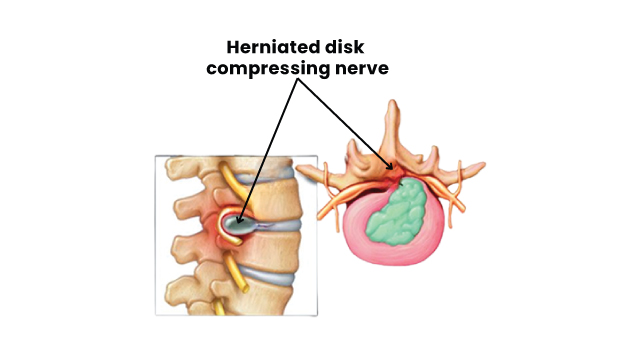
Prolapsed Intervertebral Disc (PID)
A herniated disc occurs when the disc between spinal bones bulges or ruptures, pressing on nerves and causing pain or weakness.
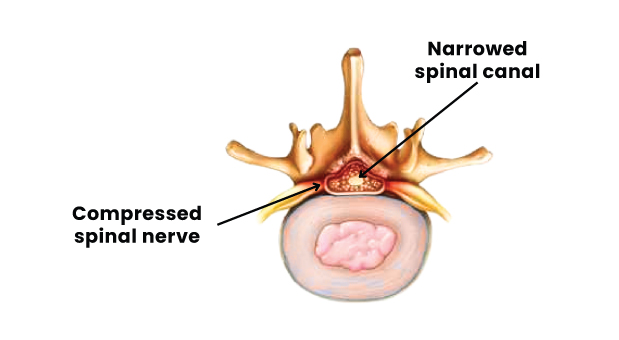
Spinal Stenosis
Spinal stenosis is narrowing of the spinal canal, which compresses the spinal cord or nerves, causing pain, tingling or leg weakness.
Indications for Surgery:
Persistent pain (3-6 months) or progressive neurological deficits.
Why Choose BESS?
| Feature | Biportal Endoscopic Spine Surgery (BESS) | Open Surgery |
|---|---|---|
| Surgical Incision | Two small keyhole portals | Large incision |
| Tissue Trauma | Minimal | Significant |
| Blood Loss | Very little / no transfusion | Higher |
| Visualization | Clear, magnified saline view | Limited |
| Recovery Time | Faster, shorter hospital stay | Longer recovery |
| Infection Risk | Lower (saline washout effect) | Higher |
| Pain After Surgery | Less wound pain | More discomfort |
| Return to Daily Life | Quicker | Slower |
Advantages of BESS
| Minimally invasive with less tissue damage |
| Clear endoscopic visualization through saline irrigation |
| Lower infection risk due to continuous washout |
| Faster recovery and shorter hospital stay |
| Preserves normal spinal structures and protects nerves |
| Suitable for lumbar, cervical and thoracic spine cases |
| Safe and effective alternative to open surgery |
Common Symptoms of Spine Problems

Persistent back or neck pain

Numbness or tingling in arms or legs

Muscle weakness
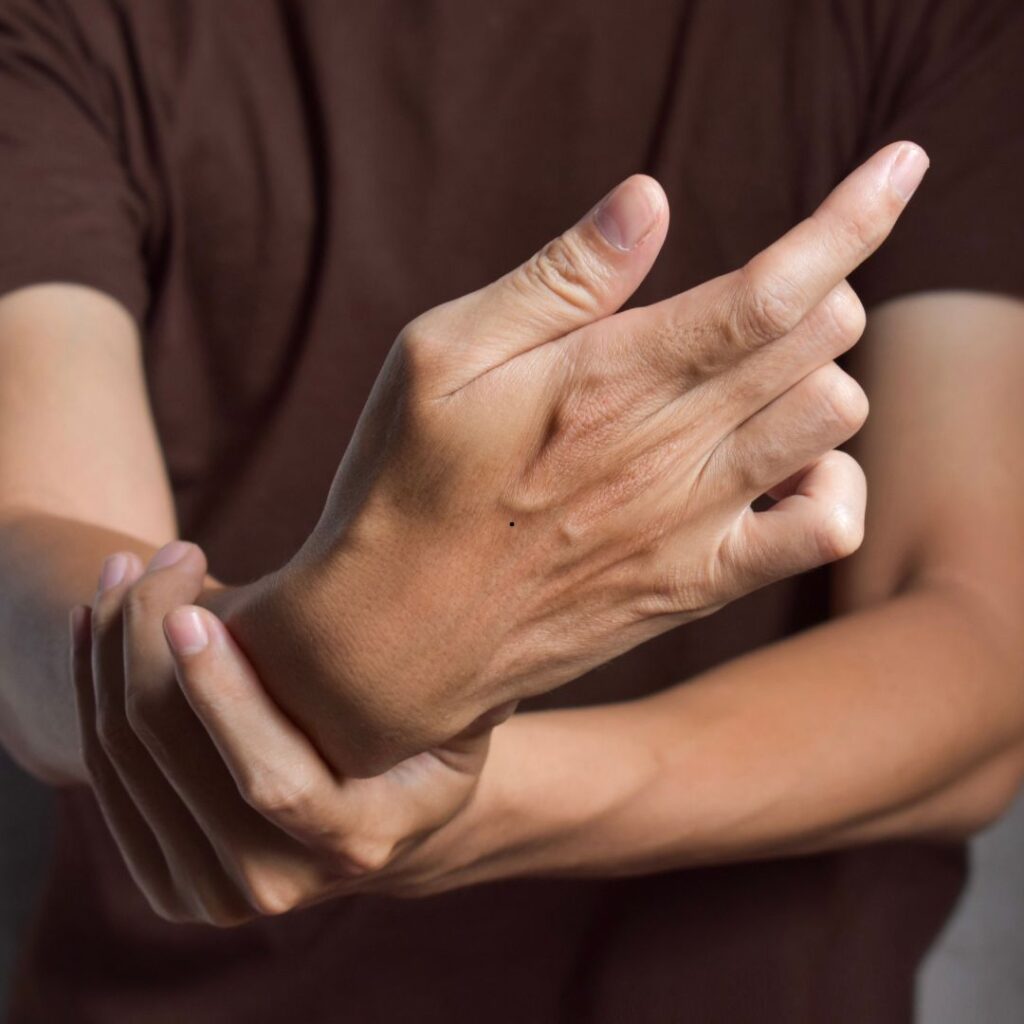
Pain radiating down the arms or legs
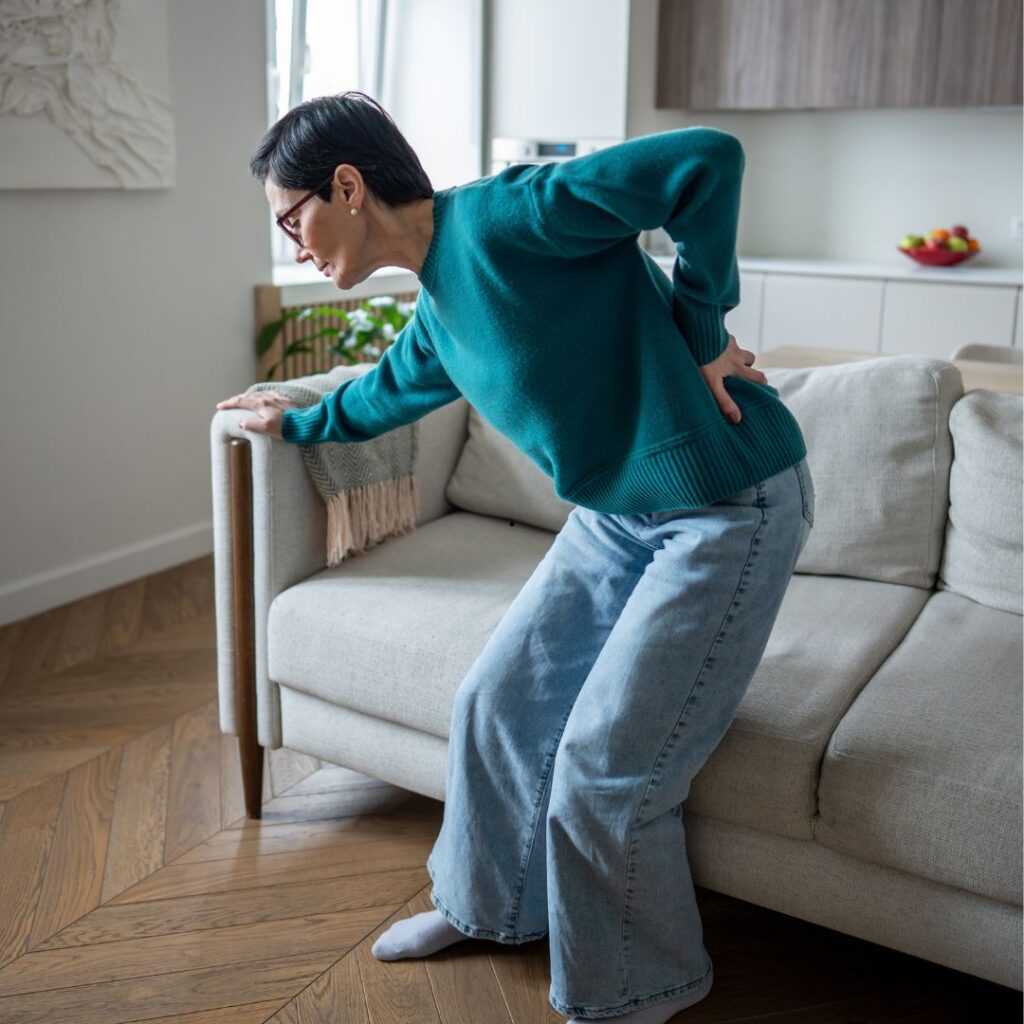
Difficulty walking or standing
Treatment

Medication
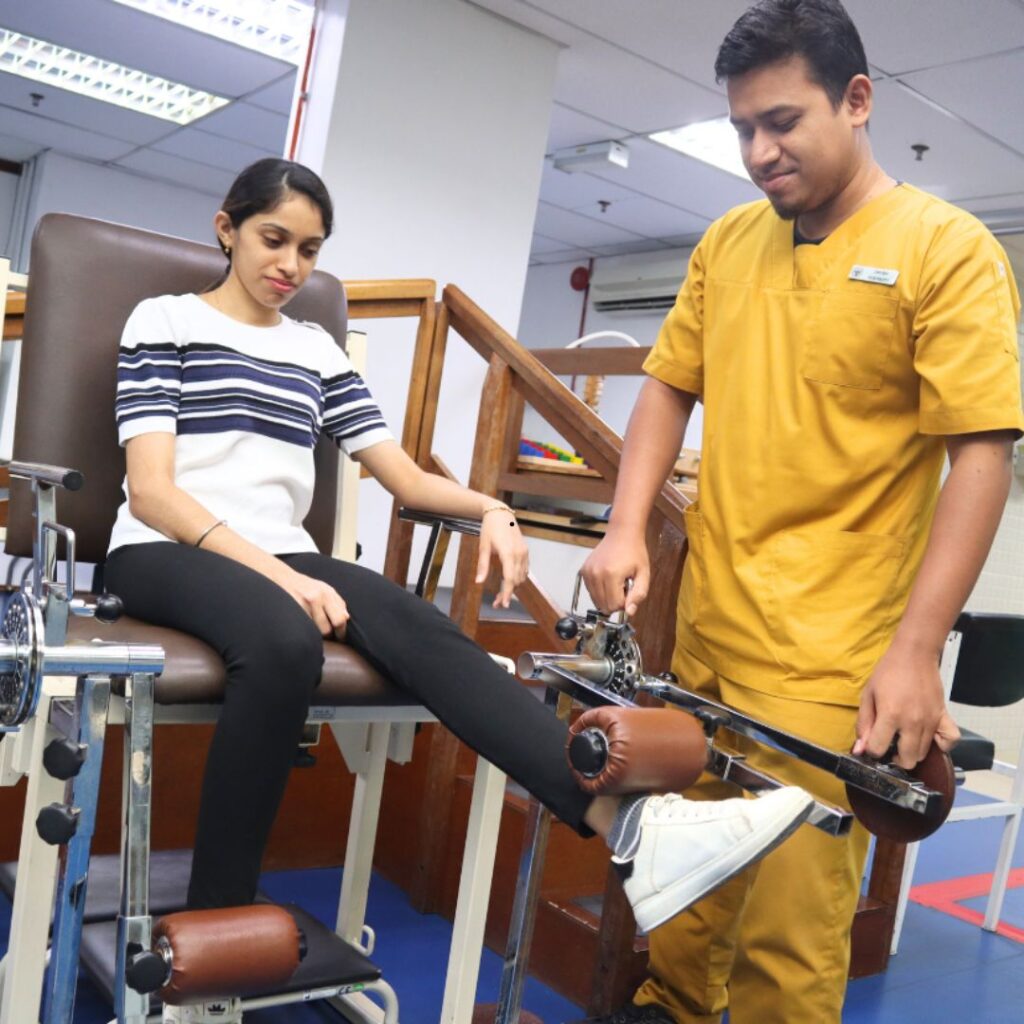
physiotherapy

Lifestyle modification
frequently asked question
BESS is a minimally invasive spine surgery performed through two small incisions using an endoscope and special instruments to remove damaged disc material and relieve nerve pressure.
BESS is commonly recommended for patients suffering from:
- Herniated or collapsed lumbar disc
- Sciatica or leg pain caused by nerve compression
- Spinal canal narrowing (lumbar spinal stenosis)
- Persistent lower back pain with nerve symptoms
- Numbness, tingling or weakness in the legs
Your surgeon will determine suitability based on MRI findings and clinical examination.
BESS offers smaller wounds, less bleeding, less pain, faster healing, shorter hospital stay and quicker return to daily activities compared to open spine surgery.
Most patients are able to walk on the following day of surgery and resume light activities within 2-4 weeks, depending on their condition.
Yes. BESS is a safe and effective modern spine surgery that allows precise treatment while minimizing damage to surrounding muscles and tissues.
You may be a suitable candidate for Biportal Endoscopic Spine Surgery if you have conditions like a slipped disc or spinal stenosis that are pressing on your nerves and causing symptoms such as back pain, leg pain, numbness or weakness, especially if these symptoms have not improved with treatments like medication or physiotherapy. However, people with spinal infections, tumors, severe spinal instability, fractures or major spine deformities may not be suitable for this procedure. A spine surgeon would need to review your symptoms and MRI scan to determine if this surgery is appropriate for you.
- Smaller incisions
- Less muscle and tissue damage
- Less blood loss during surgery
- Less pain after surgery
- Faster recovery time
Recovery after Biportal Endoscopic Spine Surgery (BESS) is usually faster than traditional open spine surgery. Many patients are able to start walking within a day after the procedure and return to light daily activities within about one to two weeks.
After Biportal Endoscopic Spine Surgery (BESS), patients are usually advised to start light walking early to help recovery. Physiotherapy may be recommended to strengthen the back and improve movement. Patients should also avoid heavy lifting, bending or twisting for a few weeks. Follow-up visits with the doctor are important to check healing and ensure recovery is going well.
The experience of your surgeon in Biportal Endoscopic Spine Surgery (BESS) is very important for a safe and successful outcome. You can ask your surgeon how many BESS procedures they have performed, how long they have been doing endoscopic spine surgery and about their success and complication rates. It’s also helpful to know if they have received any special training or certifications in minimally invasive spine surgery. Generally, a surgeon with more experience in BESS tends to have shorter surgery times, fewer complications and better overall results.
Biportal Endoscopic Spine Surgery (BESS) is mainly done to relieve current problems, such as nerve compression from a herniated disc or spinal stenosis and to reduce pain, numbness or weakness. It does not guarantee that future spinal issues won’t occur, because the spine can still degenerate over time or develop new problems. Maintaining good posture, regular exercise, a healthy weight and avoiding heavy strain can help reduce the risk of future spine issues, but BESS itself mainly treats existing conditions rather than preventing new ones.